
Welcome to the 2nd International Meet & Expo on Bio-Polymers & Polymer Science
We are delighted to invite you to the 2nd International Meet & Expo on Bio-Polymers & Polymer Science, taking place from September 11-12, 2026 in Osaka , Japan. This global event will convene leading scientists, researchers, industry professionals, and policymakers to discuss groundbreaking developments and innovative approaches in the field of bio-polymers and polymer science.
Join us in the vibrant city of Osaka, where science meets innovation and culture. Hope to see you in Japan.

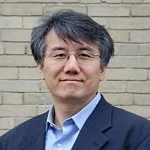
H: Index: 117
University of Toronto
Canada

H Index: 100
University of Wyoming
USA
H: INdex: 68
University of South Australia
Australia

Harbin Institute of Technology
China

H: Index: 48
University of Ioannina
Greece
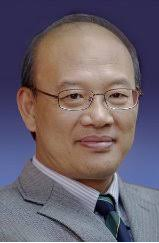
President Emeritus
Peking University
China
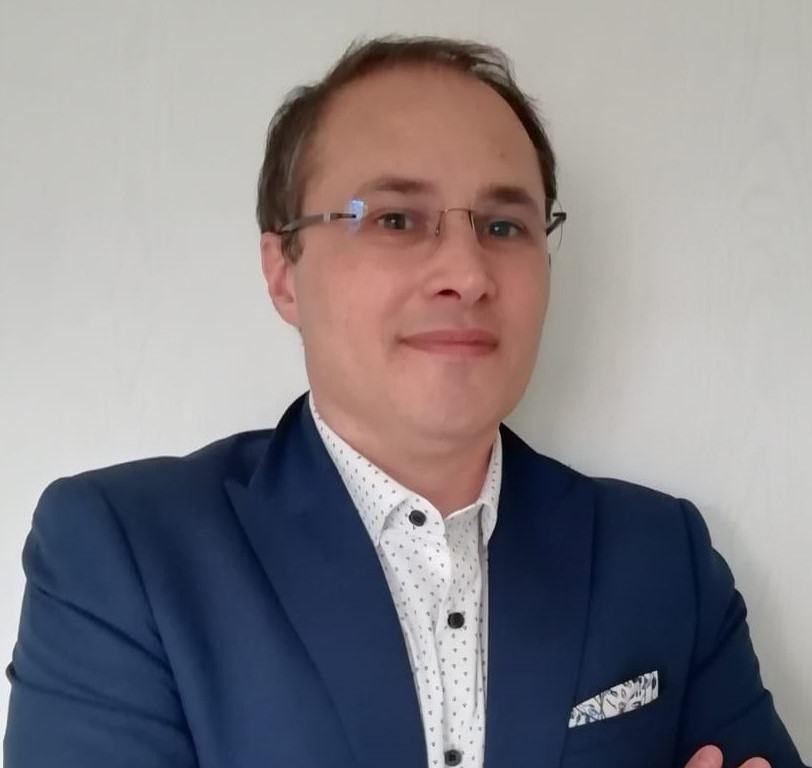
Director
Charles Sadron Institute
France

Centrale Lille Institute
France
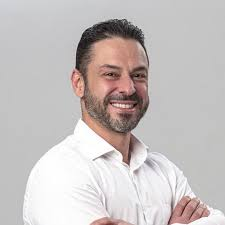
University of Southern Santa Catarina
Brazil

University of Porto
Portugal
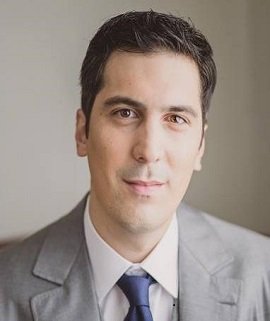
University of Algarve Portugal
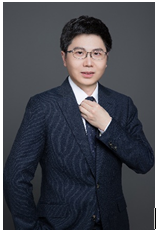
Professor Liang Tian, PhD Supervisor, Xi'an Jiaotong University Young Talent (Type A). 2010: B.Eng. in Materials Science and Engineering, Central South University. 2011: M.S. in Materials Science and Engineering, Iowa State University, USA.2012: M.S. in Engineering Mechanics, Iowa State University, USA.2015: Ph.D. in Materials Science and Engineering, Iowa State University / Ames National Laboratory, USA. From 2015, he conducted postdoctoral research at the University of Michigan, Ann Arbor, and Purdue University, USA. In 2020, he assumed a full-time position as a Senior Engineer in Permanent High-Performance Computing in the United States. His research has been positively featured by international authoritative media such as Advanced Science News, the U.S. Department of Energy, and phys.org. He has published papers in reputable journals (Matter, Acta Materialia, FlexMat, Small), independently developed two computational materials methodology software tools and participated in three U.S. Department of Energy research projects. He has served as the conference co-chairs for 4 times, the conference session co-chairs about 20 times, delivered 2 keynote talks and about 30 invited talks. His research focus on the conductive composite materials for cables at various length scales, conductive nanomaterials for flexible sensors, conductive electrodes for flexible batteries.He has won the prestigious international award Advanced Materials Scientist Medal from IAAM.

Thomas J. Webster’s (H index: 126) degrees are in chemical engineering from the University of Pittsburgh (B.S., 1995; USA) and in biomedical engineering from RPI (Ph.D., 2000; USA). He has formed over a dozen companies who have numerous FDA approved medical products currently improving human health in over 30,000 patients. His technology is also being used in commercial products to improve sustainability and renewable energy. He is currently helping those companies and serves as a professor at Brown University, Saveetha University, HebeiUniversity of Technology, UFPI, and others. Dr. Webster has numerous awards including: 2020, World Top 2% Scientist by Citations (PLOS); 2020, SCOPUS Highly Cited Research (Top 1% Materials Science and Mixed Fields); 2021, Clarivate Top 0.1% Most Influential Researchers (Pharmacology and Toxicology); 2022, Best Materials Science Scientist by Citations (Research.com); and is a fellow of over 8 societies.Prof. Webster is a former President of the U.S. Society for Biomaterials and has over 1,350 publications to his credit with over 55,000 citations. He was recently nominated for the Nobel Prize in Chemistry. Prof. Webster also recently formed a fund to support Nigerian student research opportunities in the U.S.
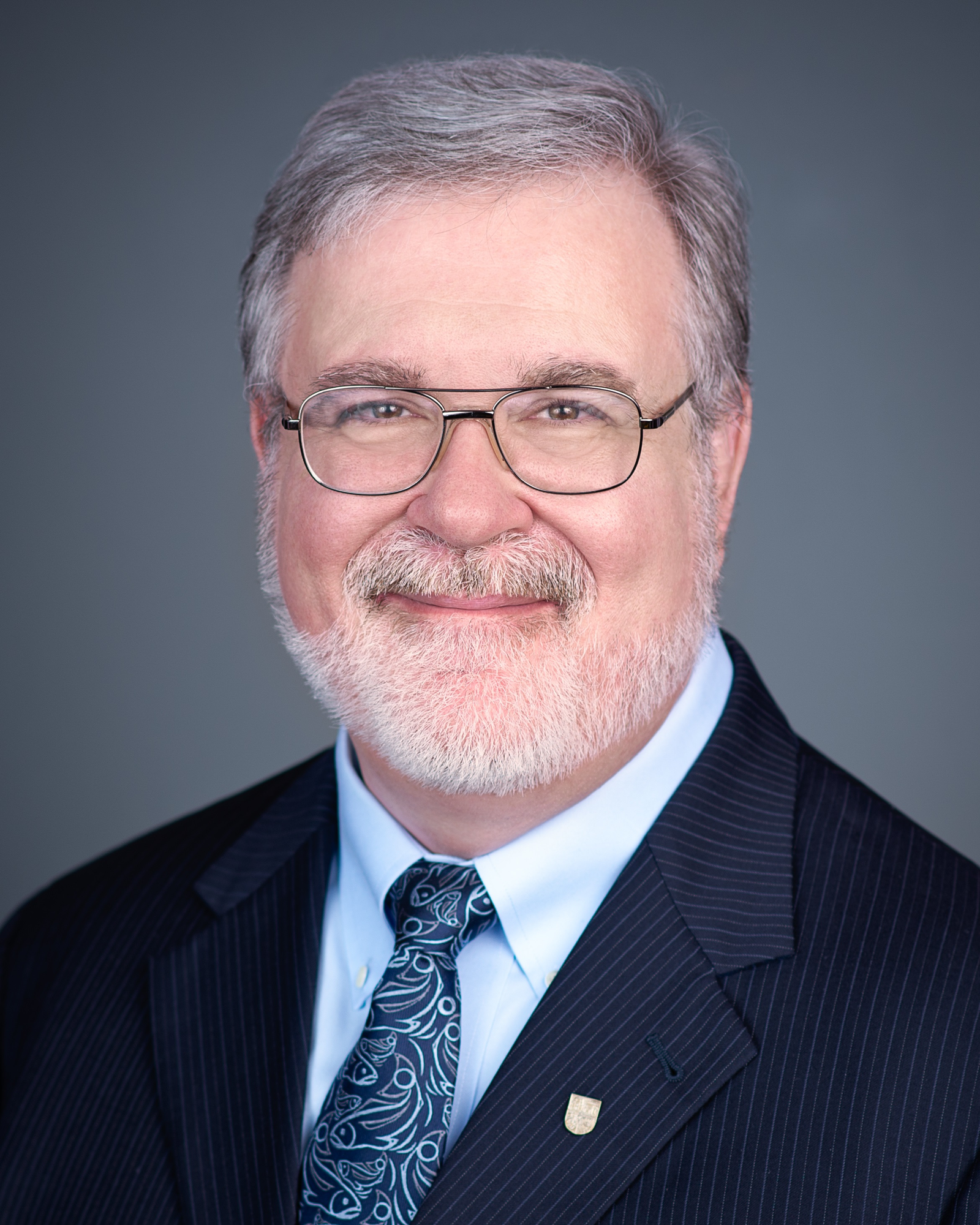
Dr. Richard J. Spontak is a Distinguished Professor of Chemical & Biomolecular Engineering and Professor of Materials Science & Engineering at NC State University. He received his B.S. and Ph.D. degrees from Penn State University in 1983 and UC Berkeley in 1988, respectively. He then pursued post-doctoral research at the University of Cambridge (U.K.) and the Institute for Energy Technology (Norway) before joining the Procter & Gamble Company in 1990. In 1992, he accepted a faculty position at NC State University, where he supervises the Macromolecular Materials & Morphology Group. He has published over 300 peer-reviewed journal papers and over 35 scholarly works as book chapters and invited monographs, and his work has been featured on 31 journal covers and cited over 16,000 times according to Google Scholar. His primary research interests relate to the phase behavior and morphology/property development of nanostructured polymers, polymer nanocomposites and coatings, electron microscopy, and stimuli-responsive soft materials. In recognition of his research endeavors at NC State University, he is the recipient of the university-level Alexander Q. Holladay Medal for Excellence, the R.J. Reynolds Award for Excellence in Teaching, Research & Extension, the Alcoa Foundation Distinguished Engineering Research Award, and the Alumni Outstanding Research Award. In addition, he has received the IChemE Underwood Medal and Global Research Project Award, the ACS (PMSE Division) Roy W. Tess Award in Coatings and the Cooperative Research Award in Polymer Science & Engineering, the SPSJ International Award, the German Society for Electron Microscopy Ernst Ruska Prize, the ACS (Rubber Division) Chemistry of Thermoplastic Elastomers Award, the IOM3 Colwyn Medal, the SPE International Award, the 2022 Waterloo Filtration Institute Idea of the Year Award, and the 2021 IAAM Researcher of the Year Award. An elected fellow of the American Physical Society, IOM3, the Royal Society of Chemistry, and the ACS (PMSE Division), he was named the Lars Onsager Professor at the Norwegian University of Science & Technology, and is a member of the Norwegian Academy of Technological Sciences and the NC State University Research Leadership, Global Engagement and Outstanding Teaching Academies.
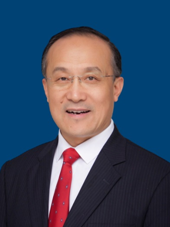
H: Index: 166
Dalian Institute of Chemical Physics
Chinese Academy of Sciences
China
Tao Zhang(Dalian Institute of Chemical Physics, Chinese Academy of Science)received his B.S. in 1982 fromShaanxi University of Technologyand Ph.D degree in 1989 from Dalian Institute of Chemical Physics, Chinese Academy of Sciences. Prof. Zhang was officially selected as Academician by the Chinese Academy of Sciences in 2013, and was a vice president of Chinese academy of sciences in the period of 2017-2023. He was elected as a Fellow of The World Academy of Sciences in 2018, and an International Fellow of the Canadian Academy of Engineering in 2020. Prof. Zhang works in heterogeneous catalysis, especially in the field of nano- and single-atom catalysis. He has led new concepts in “single-atom catalysis” and currently focuses on the design, synthesis and industrial application of single-atom catalysts for applications in energy conversion (such as biomass catalytic conversion, CO2 reduction and propellant decomposition) and environmental control (such as NOx-SCR and CO removal).Prof. Zhang has also received several research awards, including Future Science Prize on Physical Science (2024), Advance of Catalysis Award of Asian-Pacific Association of Catalysis Societies (2023), Science China Materials Innovation Award (2018), The Science and Technology Progress Award of HLHL Foundation (2016), Distinguished Award of Chinese Academy of Sciences (2010), Zhou Guang Zhao Foundation Award for Applied Science (2009), and National Award of Technology Invention (Second Grade, 2008, 2006, 2005).
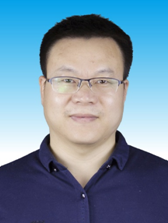
H: Index: 61
Dalian Institute of Chemical Physics
Chinese Academy of Science
China
Changzhi Li (Dalian Institute of Chemical Physics, Chinese Academy of Science) was invited as a young member of the 5th and 6th Editorial Board of Chin. J. Catal. Prof. Changzhi Li received his B.A. degree from Hunan Normal University (P. R. China) in 2002, and Ph.D. degree from Dalian Institute of Chemical Physics, Chinese Academy of Sciences in 2009. Then he has been working in CAS Key Laboratory of Science and Technology on Applied Catalysis, Dalian Institute of Chemical Physics, Chinese Academy of Sciences, where he was promoted to a full professor in 2019. The overarching theme of his research program is biomass catalytic conversion, especiallythe catalytic valorisation of lignin into value-added chemicals and high-density fuels. He has published over 90 peer-reviewed papers on international journals, and has been authorizedmore than 50 patents in China.
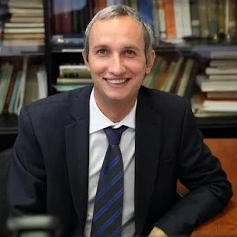
Prof. Blaz Likozar, is a head of the Department of Catalysis and Chemical Reaction Engineering at the National Institute of Chemistry (NIC), leading the programme “Chemical Reaction Engineering”, as well as numerous research projects (15 H2020 / 50 in Horizon Europe alone). His expertise lies (among others) in heterogeneous catalysis materials, modelling, simulation and optimization of process fluid mechanics, transport phenomena and chemical kinetics. He worked at the University of Delaware in 2014–2015 as a Fulbright Program researcher. He has authored >400 articles, was cited >10000 times, having a h-index of 66. He is also involved in many industrial projects, amongst others, with TotalEnergies, Evonik Industries, UPM, Novartis, Carbon Recycling International. He is a recipient of Pregl and Zois awards.

Joana Maria Rodrigues Curto holds a degree in Chemical Engineering from the University of Coimbra, a PhD in Paper Engineering from the University of Beira Interior in area of computational simulation of fibrous materials and polymeric nanomaterials. Professor in the Chemistry department, in the Engineering and Life Sciences courses, researcher in Materials Science and Technology at the Research Unit of Fibrous Materials and Environmental Technologies of the University of Beira Interior, FibEnTech-UBI, and at the Center for Investigation of Chemical Engineering Processes and Forest Products at the University of Coimbra. Responsible for the Curricular Units of Chemistry, Electrotechnical Engineering and Computers, Chemistry of the integrated master's degree in Civil Engineering, Nanobioengineering of Bioengineering and Molecular Modeling of the second cycle in Medicinal Chemistry. Teaches Chemistry and Biochemistry to students of Biomedical Sciences, Biochemistry and Biotechnology. She has several publications and theses guidelines in the field of materials and 3D computational simulation of fibrous polymeric materials. Participates in and coordinates several Research and Development Projects with Industry, in fibrous materials, sustainable recycling and new products. She coordinates the Research and Development Project “The papermaking potential of eucalyptus for tissue applications and the development of a computational platform to optimize the raw materials supply for each tissue paper” of the InPacTus Project, “Eucalyptus innovative Products and Technologies” for The Navigator Company.
ZhengxianLiu, Associate Professor at the School of Aerospace Science and Technology, Harbin Institute of Technology, has been selected for the 2023 Postdoctoral Innovation Talent Support Program (Boxin Program). He has long been committed to the basic theory of mechanics, intelligent composite material design, space deployable structures, aerospace applications, etc., published 19 SCI papers, presided over 6 projects including the Young Scientists Fund of the National Natural Science Foundation of China, and served as a member of the Smart Composites Professional Committee of the Chinese Mainland Federation of the International Society for Advanced Materials and Manufacturing Engineering (SAMPE), the executive director of the expert think tank of the New Material Development Alliance, the member of the Composite Structure Design Special Committee of the China Composite Materials Society, the member of the Youth Working Committee of the China Composite Materials Society, and so on
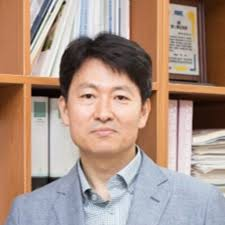
Will Update Soon..

Chris Schroder started as organic chemist at TNO and afterwards changed to polymer chemistry field while in DSM. When DSM obtained the engineering plastics business from AKZO Nobel, he worked in that field in different roles at DSM Engineering Plasticslike business management and technology innovation. In 2018 he started working for Zymergen, a biotech company linking synthetic biology (to create unique monomers) with polymer development. After a period of working as advisor, mainly focusing on due diligence work, he co-founded the company Pegasus Materials BV that’s focused on designing and manufacturing products that are biobased, but still show superior performance vs incumbent materials leading to products that have both better LCA and CFP.

Albin Kaelin is the founder, owner and CEO of epeaswitzerland gmbh since its foundation in 2009 and has driven the development and implementation of the Cradle to Cradle® design concept in various areas of the company. As early as 1993, he initiated the development of the Climatex® product line, which produced the world's first Cradle to Cradle® products. Cradle to Cradle® design creates recyclable products by setting itself apart from conventional recycling and maintaining the quality of the raw materials over several product life cycles. All materials are considered nutrients and are used in defined cycles at the right time and in the right place. Awards: Honored with over 30 awards since 2022, including IE 100 Award- 2024 and 2025 Albin Kaelin - Most Innovative CEO of The Year testify to his leadership and innovative spirit. References: THE EUROPEAN Climate Change: “A book for the businesses of tomorrow”, Author: “From Rebel to Radical Innovator; Leading the Transformation through Ciruclarity” Albin Kaelin
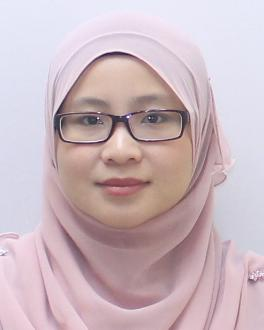
Dr. Ku Marsilla Ku Ishak (born on 6 November 1984) is an Associate Professor at the School of Materials and Mineral Resources Engineering, Universiti Sains Malaysia. Shehas been successful in obtaining various international and national research grants, contributing significantly to the development of sustainable materials. She has published extensively in scientific journals and authored multiple book chapters.
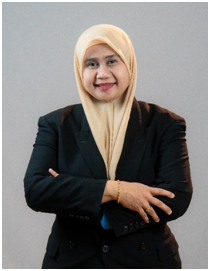
Zuratul Ain Abdul Hamid is a materials scientist with over 15 years of experience in polymer engineering, specialising in polymeric biomaterials, drug delivery systems, 3D printing, and smart polymers. She is currently an Associate Professor at the School of Materials & Mineral Resources Engineering, Universiti Sains Malaysia, Malaysia. She obtained her PhD from The University of Melbourne, Australia, in 2010, and completed her Bachelor’s and Master’s degrees at Universiti Sains Malaysia in 2001 and 2002, respectively.Her research spans the full translational pathway, from biomaterial design and development to in vitro and in vivo validation. In addition, she applies TRIZ-based problem-solving approaches in research and innovation. Driven by continuous learning, she actively explores emerging research areas and is committed to advancing translational research that bridges fundamental science with clinical and real-world applications.

Will update soon..

Dou. Zhang, Harbin Institute of Technology. Dr. Dou Zhang is an Assistant Researcher and M.S. Supervisor at Harbin Institute of Technology, China. Her research focuses on the mechanical behavior of shape memory polymer (SMP) composites and their application-oriented validation, with particular emphasis on constitutive behavior, thermo-mechanical coupling, and structure-function integration for deployable mechanisms. The SMP-based locking-and-release deployment mechanism developed by her team enabled the first dynamic unfurling of the national flag on China’s inaugural Mars mission, Tianwen-1. This achievement was selected as one of the “Top Ten Scientific and Technological Advances of Chinese Higher Education Institutions” in 2021.
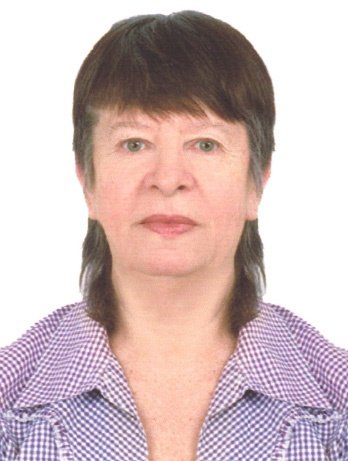
Lidiia G. Kolzunova Doctor of Sciences in Chemistry, Chief Researcher Institute of Chemistry, FEB RAS, Vladivostok, Russia. kolzunova@ich.dvo.ru http://orcid.org/0000-0003-2929-4885. Lidiia G. Kolzunova’s degrees are in chemistry from the Far Eastern National University (Russia), physical chemistry (Ph.D., 1983. Institute of Chemistry FEB RAS. Russia), and physical chemistry (Doctor of Sciences in Chemistry, Professor. 2000. Russian Academy of Sciences. Russia). Her research interests lie in the development and study of the physicochemical foundations of formation, mechanism and kinetics, structure, morphology, physicochemical, catalytic, antiseptic, sensory, and other functional properties of new polymeric materials and composites based on them. Currently, her research focuses on developing new approaches to the electrochemical formation of new functional polymer films and coatings on metals and polymer/metal nanoparticle nanocomposite materials with protective, insulating, catalytic, sensory, antiseptic, and membrane properties. She is the author of 275 publications, 7 patents and 3 monographs.
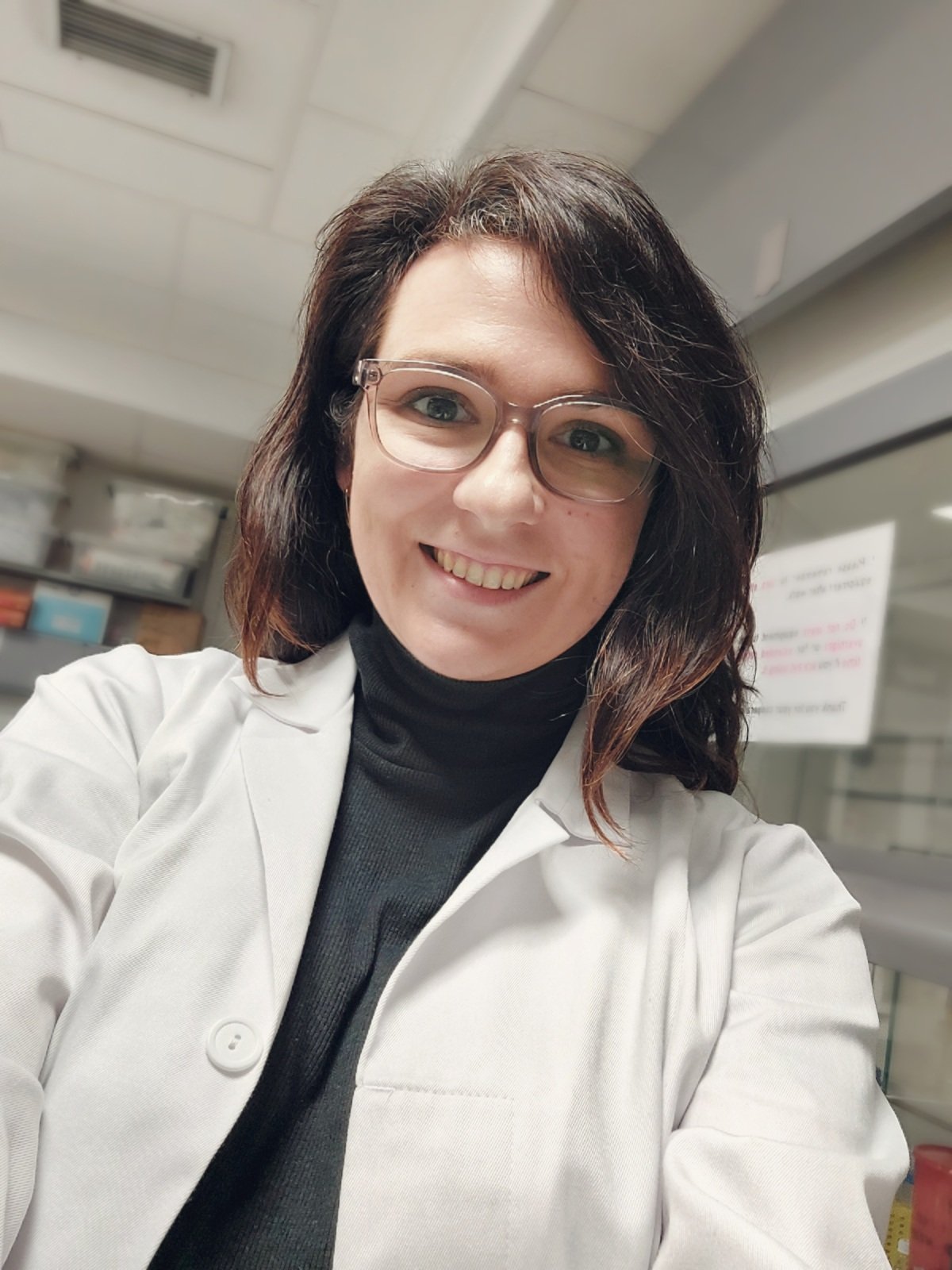
Karina Kwapiszewska is an Assistant Professor at the Institute of Physical Chemistry, Polish Academy of Sciences. She earned her Ph.D. with honors in biotechnology from the Warsaw University of Technology (2014), where she worked on 3D cellular models in microfluidic systems. She then joined IPC PAS as a postdoctoral fellow and completed several professional training programs, including courses at the University of Cambridge and Harvard University. Her research combines advanced fluorescence microscopy with physical modeling of intracellular nanoviscosity to quantify diffusion, molecular size, and biomolecular interactions directly in living cells, with applications ranging from protein oligomerization to intracellular transport under stress. Since 2019, she has led multiple competitive research projects, and since 2022 she has also been a co-founder of Cell-IN, a commercialization initiative focused on enhancing cellular uptake of macromolecules. Her work has been recognized by multiple institutions, including the Foundation for Polish Science, the Ministry of Science and Higher Education, Scopus, the Polish Agency for Enterprise Development, and the American Chemical Society.

Dr. Wenjing Zhang, Ph.D., is currently a postdoctoral fellow in the Bone Aging Key Laboratory at Shenzhen University, under the mentorship of Academician BaoguoJiang. She received her Ph.D. from the University of Chinese Academy of Sciences. Dr. Zhang's research focuses on the intersection of bone aging and bioactive materials, particularly developing injectable hydrogels for musculoskeletal regeneration and disease treatment. Her work has been published in several high-impact journals, including Biomaterials and Acta Biomaterialia. Dr. Zhang is a member of the Chinese Society for Biomaterials and the International Chinese Musculoskeletal Research Society (ICMRS).

Will update soon..

Will Update Soon..

WIll Update Soon..

Will Update Soon..

Kedafi Belkhir is an Associate Professor (Maître de Conférences) at Centrale Lille Institut, France, and conducts his research within the Ingénierie des SystèmesPolymères (ISP) team of the UnitéMatériaux et Transformations laboratory (UMET, CNRS UMR 8207). He also teaches polymer science and chemistry at the École NationaleSupérieure de Chimie de Lille (ENSCL) and the University of Lille. He obtained his Ph.D. in Chemistry and Materials Science in 2017 from the University of Saint-Étienne (IMP laboratory). He then worked at ENSAIT Roubaix (GEMTEX) as Temporary Assistant Professor, before completing two postdoctoral fellowships: one at IMP (on microwave-assisted polymer processing) and one at ICGM Montpellier (on synthesis of UV-responsive poly(2-oxazoline) nanomaterials for drug delivery). His expertise covers the design and synthesis of tailor-made macromolecular architectures, stimuli-responsive polymers, and polymer processing, with advanced characterization from molecular to macroscopic scales. Currently, he supervises Ph.D. students and coordinates projects on Self-Immolative Polymers, a new class of smart polymers with potential applications in biomedicine and sustainable recycling.
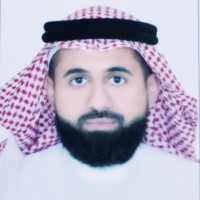
Will update soon..

Tamari Mumladze is an environmental engineer and Assistant Professor at Akaki Tsereteli State University (Kutaisi, Georgia). She holds a PhD in Environmental Engineering from Kaunas University of Technology (Lithuania). Her research focuses on sustainable waste management, circular economy approaches, and advanced recycling technologies, including solvent-based recovery of composite packaging waste and biological treatment of municipal waste. She has participated in and coordinated several EU-funded and international projects in the field of waste management and sustainability. Her current interests include green solvent systems, composting performance evaluation, and innovative material recovery strategies supporting circular economy transitions in emerging regions.
Choose Your Pricing That Fits You Best
Osaka offers the perfect setting for hosting world-class conferences and business events. As a major economic hub with a strong international presence, Osaka blends cutting-edge infrastructure with centuries-old tradition, creating a dynamic backdrop that inspires innovation and collaboration. Conference venues here, such as the Osaka International Convention Center (Grand Cube Osaka), are equipped with state-of-the-art technology, versatile meeting spaces, and seamless logistics support, making them ideal for everything from global summits to specialized industry gatherings. Attendees will enjoy not only professional efficiency but also the city's renowned hospitality, delicious street food, and lively entertainment districts like Dotonbori and Namba. With excellent public transportation, proximity to Kansai International Airport, and a wide range of accommodation options, Osaka stands out as a convenient, accessible, and culturally enriching destination for our event.